How Business Security Systems Help During Peak Fall Foot Traffic
Key Takeaways
• Fall foot traffic creates extra pressure on entryways, inventory areas, and staff
• Seasonal setups often need updated security placements and permissions
• Business security systems can reduce blind spots and after-hours risks
Introduction
In the fall, many businesses see a noticeable jump in foot traffic. Whether it’s retail stores preparing for holiday shoppers, restaurants hosting more guests, or offices welcoming seasonal clients and contractors, things just feel busier. Most of that activity is good for business, but it can bring new challenges too. Doors open more often, deliveries show up in clusters, and people are in and out all day. If we’re not paying attention, our regular security setup might start falling behind.
That’s where strong, well-placed business security systems become more important. They help us stay on top of movement, keep key areas protected, and give us better control over who’s coming and going. With a little planning, we can make seasonal traffic work for us without making the space harder to manage.
Keeping Entry and Exit Points Secure
When more people are coming through the front and back doors, it gets harder to keep track of everything. Employees, customers, delivery drivers, and outside vendors often arrive around the same time. If those entry points aren’t set up to support high activity, we could miss something important.
• Door cameras help track who’s arriving and when
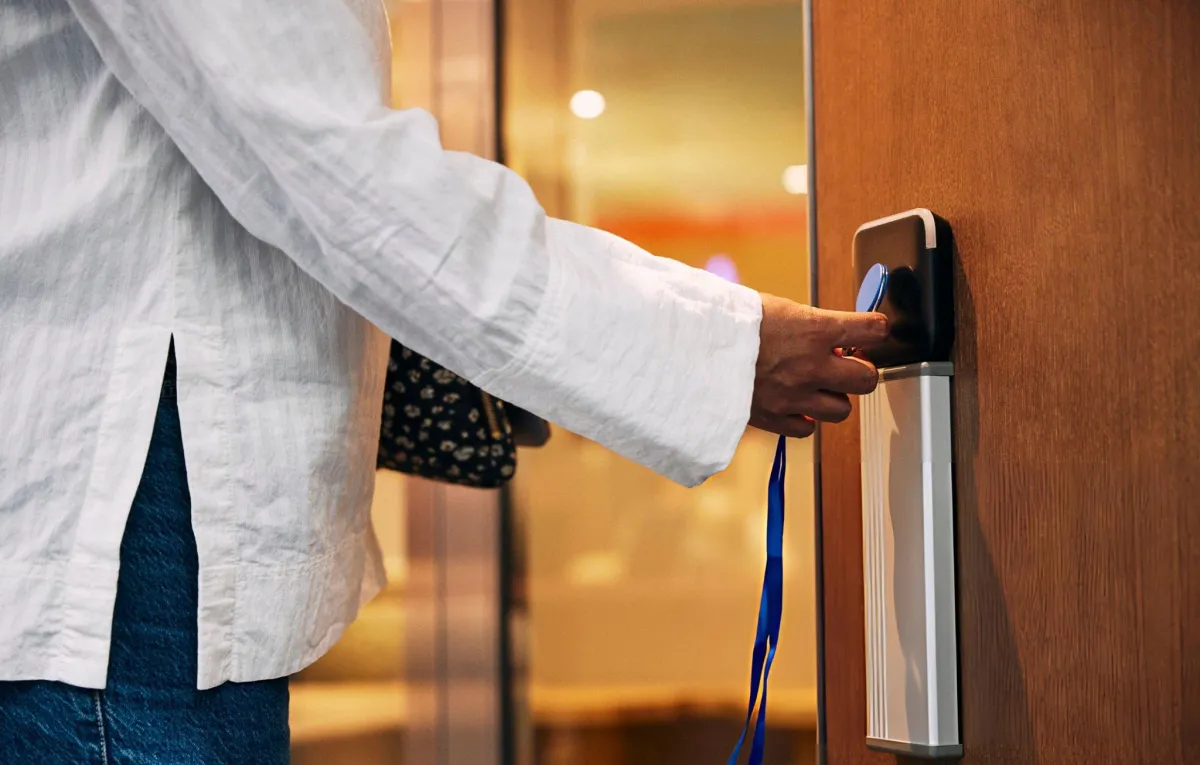
• Access control systems can log entries and flag anything unexpected
• Delivery logs or video review can settle questions about missed or late shipments
We’ve all had moments where someone says, “I thought someone else opened the door,” or “I’m not sure when that driver arrived.” The right coverage can help answer those lines quickly and clearly.
We specialize in integrated access control and video surveillance solutions for businesses, offering both door entry cameras and activity logging to support high-traffic entrances and exits.
Managing Seasonal Inventory and Deliveries
Fall means fuller shelves, busy storerooms, and more incoming orders. It often happens fast, with inventory coming in waves and staff moving quickly to make space. That rush can raise the chance of lost items, broken packages, or misplaced goods.
• Cameras aimed at stockrooms or dock areas can capture drop-offs clearly
• Timestamps help match deliveries to records and confirm specific times
• Monitoring tools can help spot patterns if certain items go missing more than others
We don’t want to slow things down, but we also don’t want to lose track when things turn hectic. A few well-watched angles can help us stay ahead of problems without needing someone to stand guard.
We design and install video surveillance systems that allow easy playback for confirming inventory counts and delivery times, helping reduce costly errors and improve operational clarity.
Adjusting for New Foot Traffic Patterns
As floor layouts shift in fall, people walk through our space differently. Displays go up near entrances. Lines form in new places. Seating or checkout counters might move to create room for seasonal items.
This can quietly create blind spots. A camera that used to watch a key path might now be blocked by shelving or holiday decorations, or a motion sensor that worked fine in the summer might start picking up unnecessary alerts now that more people are around.
• Seasonal layout changes should match up with camera coverage
• Motion settings may need pruning for high-traffic times
• Rechecking placement helps avoid gaps caused by new displays
Staying proactive with changes to our layout helps the system stay useful when things pick up. Even small layout adjustments, like shifting a display or seating area, can re-route how people move. Before things get too busy, it pays to review how every new path and each rearranged shelf aligns with current security views. Communicate with staff about changes and encourage them to notice any sudden blind spots, or areas where activity seems less visible on the screen than before. If possible, use a map or checklist to mark current coverage versus new layout features.
By pairing floor plan changes with security adjustments, it’s easier to avoid missed moments and keep the system working as intended throughout the season. This extra step means cameras and sensors continue to support our team instead of leaving us with gaps after the holiday rush begins.
Avoiding After-Hours Activity During Longer Nights
As the clock shifts and it gets darker earlier, extra corners of the property may lose visibility if we aren’t careful. A lot can happen between end-of-day and morning open, especially when fewer people work late or stop by after hours.
• Night-capable cameras cover low-light entries, alleys, or parking
• Access records show who stayed late and when
• Remotely checking live feeds can prevent unnecessary trips after hours
Fall often brings in both routine traffic and unexpected visitors. It helps to know what’s happening after the lights go off without needing to be there.
Modern surveillance solutions from us offer remote monitoring through mobile apps, so business owners and managers can check live feeds and respond promptly without being on site.
Staying Ahead of Common Slip-Ups
Busy times always raise the chance of small mistakes. A passcode might not get updated. A camera might shift slightly and lose its angle. We’ve seen employees rush without logging their entry or forget to lock a side door before heading home.
• Seasonal system checks help catch old passwords or missing access
• Scheduled camera tests make sure recordings are clear and working
• Smart alerts lower the need for manual checks while highlighting red flags
Small fixes done in advance mean we spend less energy fixing things in real time. Anything that gives staff one less worry is helpful during the busiest stretch of the year.
Recognizing the times when errors are most likely, like busy closings, overlapping shifts, or after a major rearrangement, can support proactive checks. Encourage staff to report any trouble accessing systems or cameras that seem off. Keeping a routine schedule for these checks not only helps prevent frustration but also builds trust that systems are working as expected. Even something as simple as checking recent activity logs or reviewing auto-alert settings can catch issues before they cause problems.
If you suspect your setup needs minor calibration, now is the time to do it. Many mistakes can be headed off with a pre-season review and a few quick updates. It is easier to address these issues before the season gets hectic, rather than trying to fix them in the moment.
Set Your Business Up for Success This Fall
Fall often sneaks up on us. One week, things are quiet. The next, we’re juggling extra hands, parked delivery trucks, and extra customers in the lobby. Business security systems help us move through that rush with fewer surprises. When entryways, inventory, and late-night activity are covered, that shows up in fewer headaches and smoother shifts.
Now’s a great moment to walk the space with a fresh eye. What changed over the last few weeks? What needs a second look? With the right checks and adjustments, we can keep everything moving forward while knowing the space is still working the way it should.
As seasonal traffic increases, it’s the perfect opportunity to make sure your coverage fits your needs. With smart camera placement and access control, you can streamline daytime deliveries and simplify after-hours access, helping your day run more smoothly. The right setup can take stress out of your busiest months. See how our business security systems support a more efficient fall, and contact S2 Technology Services to get started.
