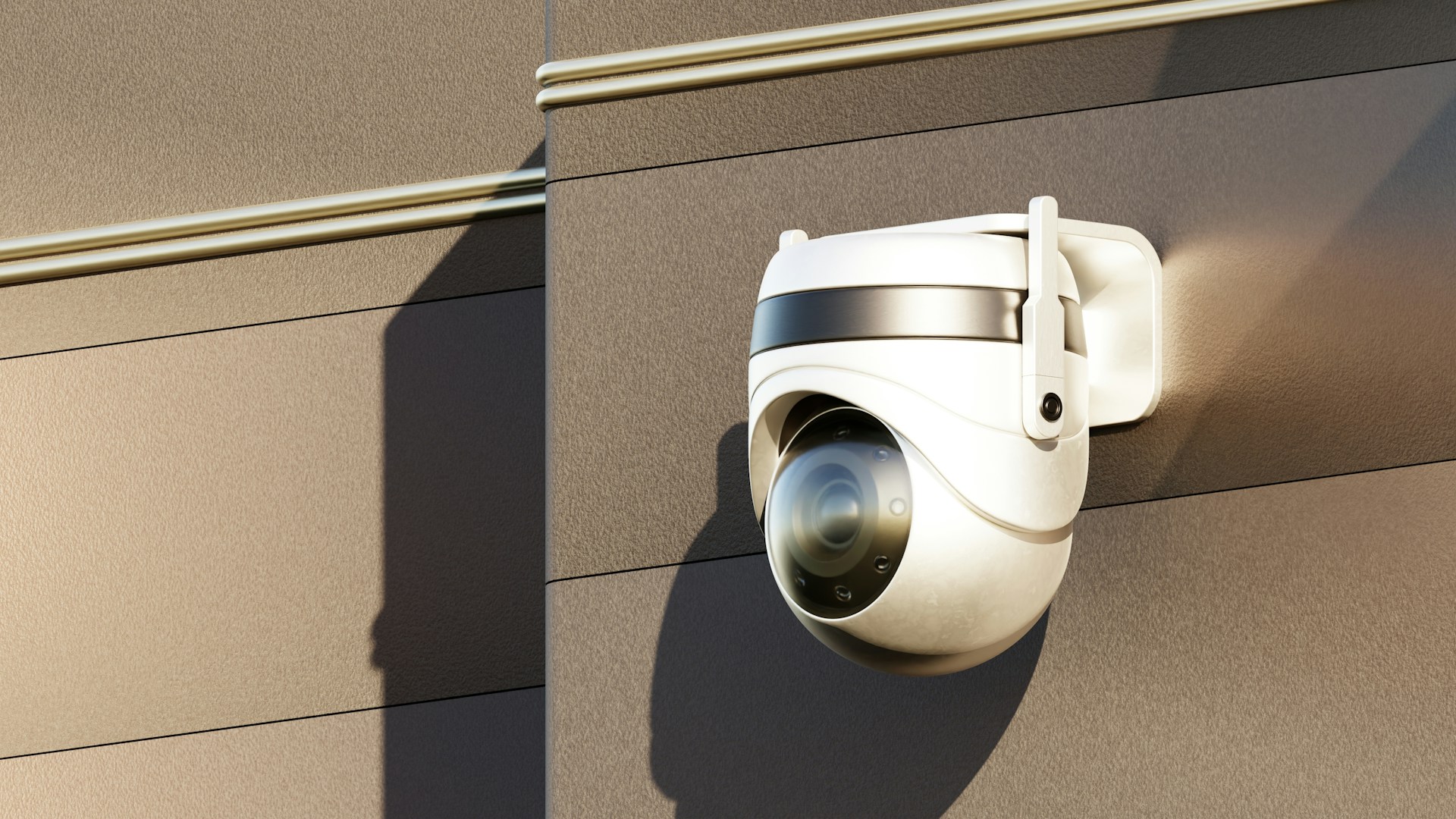
Do Business Security Cameras Work in Freezing Winter Weather
Cold temperatures are tough on outdoor electronics, and that includes business security cameras. With winter settling in, a lot of business owners start asking the same question, will my cameras keep working when it gets below freezing? That’s a fair concern, especially for companies in colder parts of the country.
The truth is, not all cameras are made the same. Some are built to handle snow, ice, and freezing winds, while others might stop working right when you need them most. To help keep things secure, it’s worth understanding how cold weather plays into all this and what to watch for during winter months.
How Cold Affects Camera Function
Winter brings more than just chilly air. Freezing temperatures can wear down security camera performance if you’re not using the right equipment.
• Cold weather can slow down or drain batteries faster, especially on cameras that rely on them instead of wired power
• Ice or frost can blur the lens or completely block the camera view, reducing visibility right when you need to see clearly
• Some cameras aren’t rated for outdoor or freezing use, and exposure to moisture mixed with subzero temps can crack the housing or cause parts to fail
That’s why it’s important to know whether the devices in place are actually meant for freezing conditions. Just installing a camera outside doesn’t always mean it’s suited for winter.
During severe winter, many electronic devices face significant challenges. For business security cameras, the combination of freezing air, blowing snow, and continuous moisture can degrade performance much faster than many realize. If the cameras rely on Wi-Fi, cold weather can sometimes create connectivity issues when moisture gets into wiring or hardware. Properly rated outdoor cameras are protected against these problems, but it’s always smart to confirm before harsh weather rolls in.
Winter Features to Look for in Commercial Cameras
Picking the right equipment makes a huge difference once temperatures drop. When we suggest business security cameras for clients, cold-readiness is always on the checklist for outdoor areas. Here’s what to look for:
• Weatherproof housing is the first line of defense. Cameras need a strong shell to keep snow, sleet, and ice out
• Some models have built-in heaters that keep the inner components warm enough to run smoothly, even in freezing temperatures
• Cameras with automatic defoggers or heated lenses stop frost from building up in the first place
• Infrared night vision or low-light support helps when winter days are short and most areas get darker faster
These features aren’t just nice to have. For certain properties, like warehouses or entry gates, they’re necessary to keep the feed clear and consistent through storms and below-zero nights.
As a North Carolina-based company serving businesses nationwide, we specialize in designing and installing security systems that can withstand tough weather, including harsh winter conditions when needed. Our team focuses on providing commercial-grade equipment that is professionally installed for maximum durability.
Proper features keep equipment working, but they can also protect against other winter-specific problems, such as ice forming around connectors or moisture collecting inside camera housings. The best winter-ready cameras are tested to handle the full range of conditions typical to colder climates, meaning your investment stays reliable through multiple seasons.
Placement Matters More Than You Think
Even a weather-rated camera can run into trouble if it’s not mounted in the right place. Winter brings wind, ice, and freezing rain, and all of those can damage gear if it's not set up correctly.
• Avoid placing cameras directly under roof edges or overhangs where snow and ice might fall or drip
• If winds are common in your area, don’t mount cameras on shaky poles or fences that could wobble or tilt in a storm
• Protect exposed cables or boxes from moisture and cold using insulated coverings or waterproof seals
Going back to check on placement before the cold hits can save a lot of problems down the line. Sometimes just shifting a camera a few feet can extend its life and keep footage clear.
In addition to mounting location, consider the direction each camera faces. Cameras pointed toward the prevailing wind or where sunlight reflects off snow can sometimes suffer from frost buildup or glares that impact the video quality. Taking the time to adjust placement, even slightly, ensures that important areas remain visible and protected.
When to Have a Pro Take a Look
Even when things seem fine on the surface, winter has a way of sneaking in and causing issues. That’s why it’s smart to do a seasonal check-in on your system before temperatures dip too low.
• Having a professional look for loose seals, cracks, or rust can catch problems early
• They can also test for lens fogging or image distortion caused by cold weather
• Checking on wiring is especially important during freezing months, where brittle cables might snap or lose connection
System downtime during winter puts businesses at a bigger risk, especially with shorter daylight hours and disruptive weather that makes it harder to monitor properties. A quick review ahead of the season can go a long way in keeping everything working right.
If you are unsure whether your cameras are performing at their best, a professional inspection will identify small issues before they become larger headaches. Many minor fixes, like resealing a camera housing or securing a cable, can prevent a complete failure during winter storms.
We offer checkups and ongoing maintenance for commercial security systems. With close to 40 years of industry know-how, our expertise helps spot and fix potential cold-weather problems before they lead to downtime.
Winter Proof Means Worry-Free Watching
Freezing temperatures might bring some added challenges, but they don’t have to bring down your security system. When cameras are rated for cold and installed with care, winter doesn’t stop them from doing their job. Features like sealed casings, heated lenses, and smart placement all work together to keep footage smooth and usable.
Staying ahead of small problems before temperatures tumble gives us a clear view year-round. Protecting business security cameras from winter challenges should be a routine part of maintenance, just like updating software or testing alarms. The added effort now lets you avoid gaps in coverage when you need it most.
And with the right setup in place, we don’t need to worry about what’s happening outside, we’re already watching it.
At S2 Services, we help businesses evaluate their security camera systems so you can stay protected through any season. Our team works with organizations in all climates to identify equipment that delivers reliable performance in cold weather. The right setup makes all the difference between clear footage and missed details. Considering an upgrade to your business security cameras? Let us review your current system and recommend solutions that keep your property secure. Reach out to our experts today to start the conversation.
